How Can Funeral Services Honor Veterans with Care?
A veteran’s service can be honored in ways that feel respectful, personal, and well-organized. Learn what records to gather, what to confirm, and how to prepare the family for the day.
Key Takeaways
- Start with the veteran’s own wishes, then gather available service records.
- Military honors and personal remembrance are separate parts of planning, and both deserve attention.
- Clear family roles prevent missed details and last-minute confusion.
- Service-day preparation should include timing, seating, accessibility, and one main point of contact.
Funeral homes in Phoenix, AZ that families turn to can help create a service that recognizes military service without losing sight of the person behind the uniform. The most meaningful plans balance formal traditions with the veteran’s character, family relationships, beliefs, and life beyond military duty.
Begin With the Veteran’s Wishes and Service History
A veteran may have left clear instructions, spoken about certain traditions, or preferred a quiet gathering. Begin there. Family members sometimes focus quickly on military elements and overlook a request for particular music, faith practices, clothing, readings, or who should speak.
What Service Records Should Families Gather?
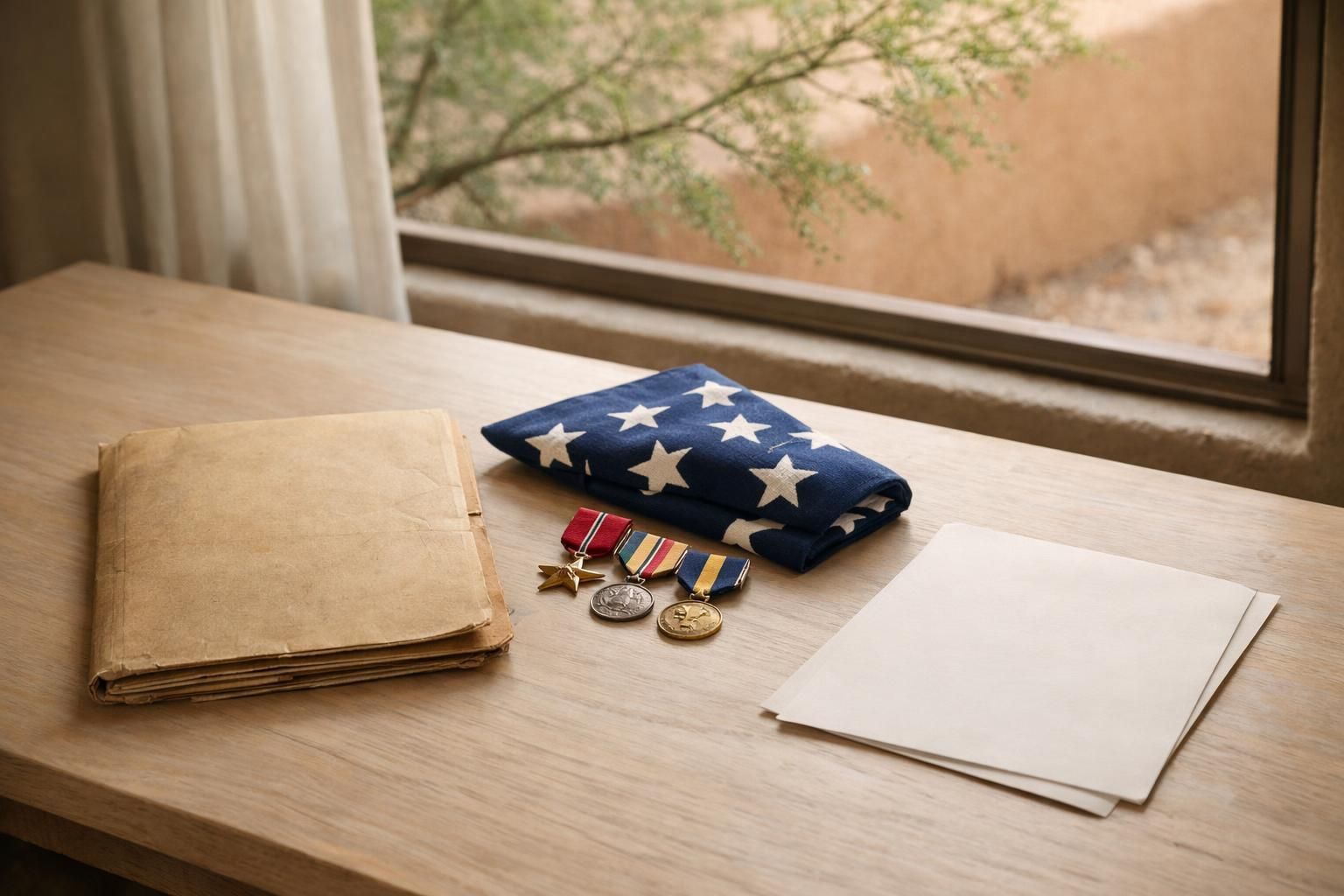
Look for discharge papers, service records, branch information, rank, medals, deployment details, and photographs. A DD Form 214 is often an important record to locate, but families should ask what documentation is needed for the specific honors being requested.
How Are Personal Wishes Different from Military Honors?
A flag presentation or other military recognition may be arranged through the appropriate channels, while the family chooses the obituary, speakers, photographs, and format of the gathering. Treating these as two connected parts of the plan can help create a service that reflects both the veteran’s military service and personal life.
Families can also make the planning process easier by taking a few practical steps:
- Choose one family decision-maker. Several relatives may have good ideas, especially when a veteran had a large family or close military friends. A designated contact can collect input, confirm final choices, and prevent conflicting instructions.
- Write down unanswered questions. It is normal not to know the veteran’s unit, dates of service, or preferred traditions right away. A short list helps the family work through details calmly rather than relying on memory during a difficult week.
Not every military story is public or easy to discuss. Honor what the veteran shared, avoid filling gaps with assumptions, and let close relatives decide what belongs in the service.
How Funeral Homes in Phoenix, AZ Can Help Coordinate the Plan
.A funeral provider can help the family coordinate the sequence of events, from transportation and gathering times to the placement of tribute items and the wording of announcements. Early planning is especially helpful when relatives are traveling, military participants need to arrive at a specific time, or the family plans to hold a visitation before the ceremony.
It also helps to confirm who will communicate updates, who will bring photographs or meaningful objects, and when speakers should be ready. These details can be easy to overlook, but careful coordination can help the day feel more organized and less rushed.
An obituary can acknowledge military service accurately and respectfully. Families searching for Phoenix obituaries, Phoenix deaths this week, obituary Phoenix, or recent deaths Phoenix may come across notices that offer ideas for structure and wording. Still, a meaningful obituary does not need to include every detail of a veteran’s life. It should reflect what the family is comfortable sharing while providing clear information for those who wish to attend the service or offer condolences.
Whitney & Murphy Funeral Home can help your family coordinate the details while respecting the personal decisions that matter most to you. If transportation beyond the local area is part of the plan, this guide on how funeral homes help shipout needs in Phoenix, AZ can help you prepare important questions early in the planning process.
Requesting Military Honors: What Families Should Confirm
Military honors should be requested as early as practical because availability and requirements can affect timing. Families should not assume that a uniformed participant, a particular ceremony, or a preferred date will automatically be available.
What Eligibility and Documentation Should Families Confirm?
The veteran’s discharge status and available records may affect what can be requested. A funeral provider can explain what information to prepare, which documents may be needed, and who will handle the request.
Which Military Honors Should Families Request?
Families should be clear about which formal recognitions they hope to include. Ask what is customary, what may be available, and how each presentation will fit into the order of service.
How Much Lead Time Should Families Allow?
Avoid setting a final service time before checking whether the needed participants can attend. If the schedule cannot change, the family can still plan a respectful personal tribute that does not depend on a formal military element.
Who Should Receive Scheduling Updates?
Confirm whether the family or the funeral provider will receive scheduling information. Make sure the designated family contact knows who will provide updates and has a reliable way to communicate with that person.
This is also a good time to ask how a flag or other commemorative item will be handled after the ceremony. Clear expectations can reduce confusion during an emotional moment.
Personal Tributes with Phoenix, Arizona Funeral Homes
Military recognition can be dignified without making the service feel formal from beginning to end. The following choices can help keep the focus on the whole life that was lived:
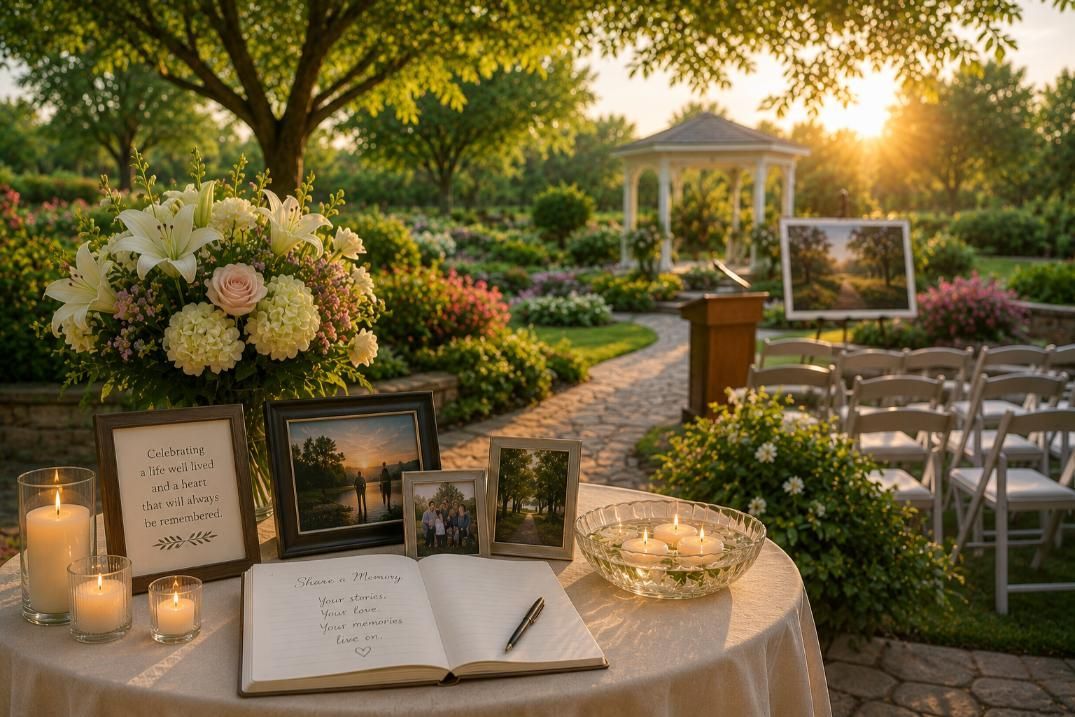
- Photographs With Context: Include service-era photographs alongside family, work, hobby, and community images. This gives guests a fuller view of the person.
- Stories From Different Chapters: Invite one person to share a military memory and another to speak about life at home, friendships, parenting, or service to the community.
- Music Chosen with Care: A patriotic selection may be meaningful, but it can sit alongside songs that reflect the veteran’s taste or family traditions.
- Meaningful Objects: Display items that reflect service, interests, faith, volunteer work, or a beloved pastime. Keep the display simple enough that guests can move through the space comfortably.
- Community Participation: Veterans’ organizations, coworkers, neighbors, and faith communities may wish to attend or offer a reading. Decide in advance who will speak so the family is not asked to make decisions during the service.
- Support for Survivors: Set aside someone to greet an older spouse, assist a person using a wheelchair, or help relatives who may become overwhelmed. Care is often shown most clearly in these quiet practical moments.
Families sometimes ask can you wear white to a funeral when planning attire. There is no single answer for every family. A veteran’s wishes, cultural customs, religious practices, and the tone of the gathering should guide the decision, and the obituary can include attire guidance if that would help guests.
Prepare for the Service Day and Follow-Up Needs
The day of the service is easier when the family knows what will happen and who will handle questions. Grief can make ordinary choices harder, so reduce the number of decisions left for that morning.
- Confirm the schedule one final time. Review arrival times for immediate family, speakers, honor participants, and anyone bringing tribute materials. Share the schedule with only the people who need it.
- Plan for comfort and accessibility. Consider heat, walking distance, seating, hearing needs, mobility devices, and a quiet place where a grieving relative can step away briefly. Phoenix weather can affect travel and guest comfort, particularly for outdoor portions of a gathering.
- Use one point of contact. Guests, military participants, and extended family should know whom to approach with a question. This protects the closest relatives from handling logistics while they are mourning.
- Revisit next steps afterward. Before everyone leaves, ask what needs attention in the days ahead, such as personal belongings, written acknowledgments, memorial contributions, or a later gathering. It is fine to postpone non-urgent decisions until the family has rested.
For notice and remembrance information, families may see references to Whitney & Murphy Funeral Home obituaries while looking for an update. Keep the published information accurate, and choose details that make it easier for friends and fellow veterans to offer support in a way the family welcomes. Families may also find veteran benefits and remembrance support helpful when honoring a loved one’s service.
A carefully planned tribute gives military service its proper place while making room for the veteran’s full story. When you need guidance from funeral homes in Phoenix, AZ families trust, contact our caring funeral home team or call (602) 840-5600 to discuss the next steps with care and clarity.